Do You Need a Business License in Michigan?
Michigan has no general state business license, but sales tax licenses, local permits and occupational licenses may apply. Start here.
By PortsideRead More
Stay informed with our latest articles on tax planning, business advisory, and financial management strategies.
Michigan has no general state business license, but sales tax licenses, local permits and occupational licenses may apply. Start here.
Ohio has no general state business license, but vendor licenses, local taxes and trade permits may apply. Here is what to check first.
Georgia has no single statewide business license, but cities and counties require local certificates. Here is what to check before you open.

Form 1023 is the IRS application that grants your nonprofit 501(c)(3) tax-exempt status. Here's what it is, who needs the full form vs. the 1023-EZ, the filing steps, common mistakes, and the timeline to approval.
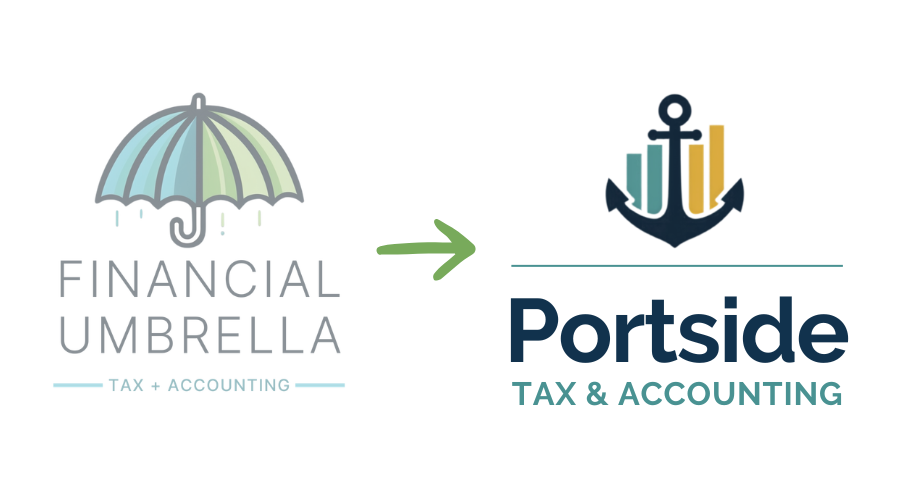
The rebrand from Financial Umbrella to Portside is a name change only — same firm, same team, same services. Here's what's new.

Lost your W-2? Here's how to get a replacement quickly, straight from your employer or the IRS, without delaying your tax filing.

An LLC offers liability protection and tax flexibility that sole proprietorships don't. Here's what it actually means for your business.

Sales tax nexus and rates vary by state. Here's what business owners selling across state lines need to know to stay compliant.
New York has specific state and local licensing steps for new businesses. Here's what to check before you launch.
Manual sales tax calculations lead to costly mistakes. Here are practical strategies to simplify compliance across jurisdictions.

A simpler, more accurate payroll process starts with the right systems. Here's how to reduce compliance risk and save time running payroll.

Arizona has specific state and local licensing steps for new businesses. Here's what to check before you launch.

Standard or itemized — the right choice depends on your specific deductions. Here's how to compare them and pick the one that saves more.

Self-employed and paying full price for health insurance? Here are practical ways to lower your costs and what to look for in a plan.
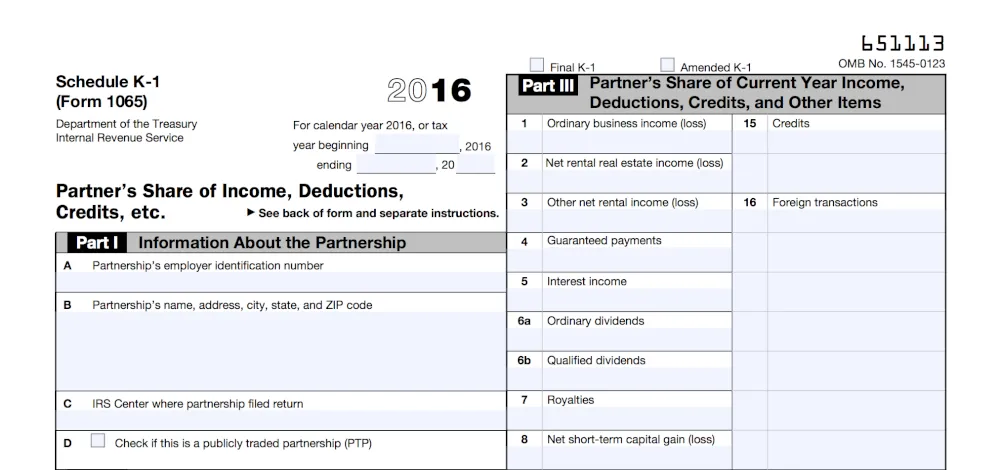
If you're a partner in a business, your share of income and losses flows through on Schedule K-1. Here's how to read and report it.

New Jersey's licensing requirements depend on your business type and location. Here's what new business owners need to know.

Mixing personal and business finances creates real tax and liability risk. Here's why a dedicated business account matters.
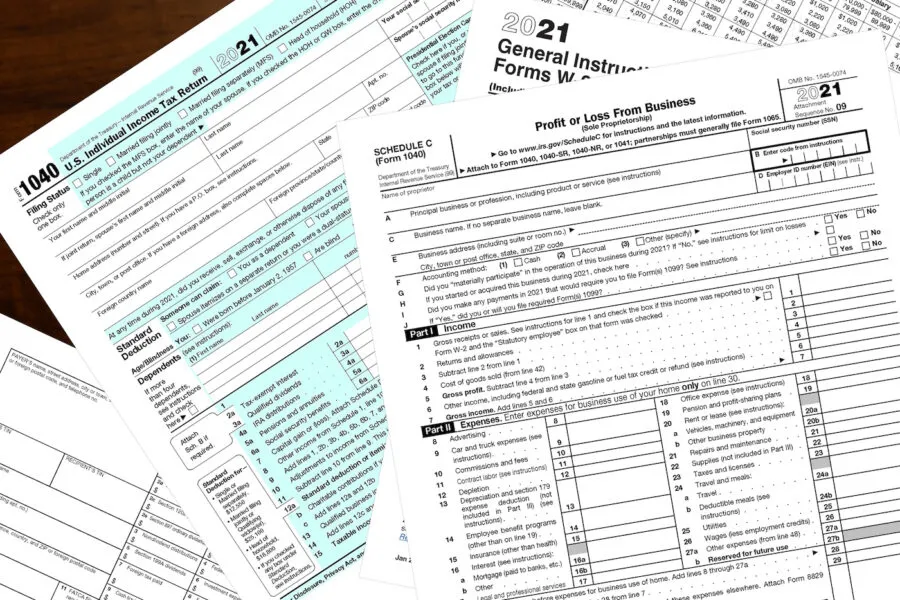
Schedule C reports income and expenses for sole proprietors. Here's how to fill it out accurately and avoid common mistakes.
Illinois licensing requirements vary by industry and municipality. Here's what to check before you start operating.

Virginia's business licensing requirements vary by locality. Here's what to check before you start operating.

Form 940 covers federal unemployment tax; Form 941 covers quarterly payroll tax. Here's what each one reports and when it's due.

Not sure how to fill out the IRS W-4 Multiple Jobs Worksheet? Here's a step-by-step guide to getting your withholding right if you have more than one job.
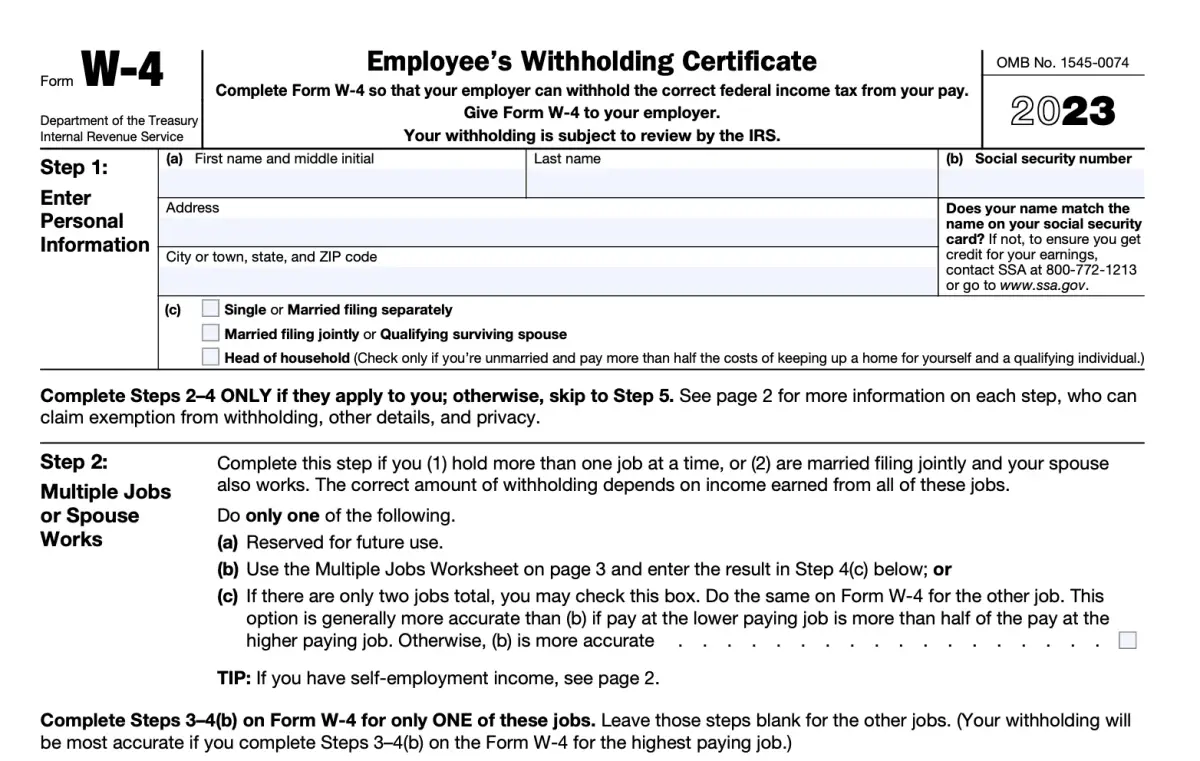
Getting your W-4 right prevents surprise tax bills or oversized refunds. Here's a step-by-step walkthrough of the form.
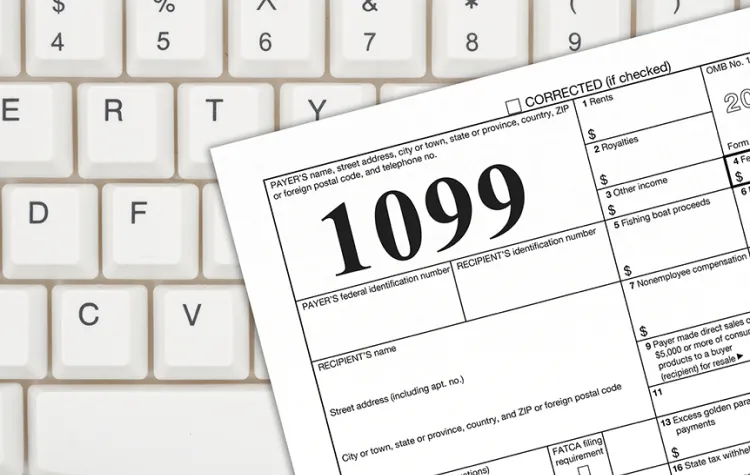
1099 contractor or W-2 employee — the difference affects your taxes, benefits, and legal classification. Updated for the 2026 rule changes.

A step-by-step startup checklist covering entity formation, licensing, taxes, and banking — everything to check off before you launch.

Salary and owner distributions are taxed differently and carry different compliance risks. Here's how S-Corp owners should think about each.

New to taxes? Here's a plain-language starting point covering deductions, credits, and the basics of minimizing what you owe.
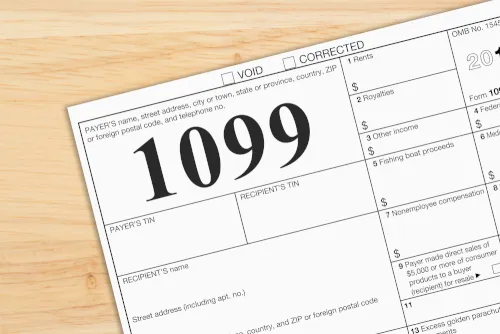
Not every 1099 is the same. Here's a breakdown of the different 1099 form types and what each one reports to the IRS.

Choosing between 1099 and employee status affects taxes, benefits, and legal risk. Here's how the two arrangements actually compare.

Business licensing requirements vary widely by state and industry. Here's a general framework for figuring out what you actually need.

Sole prop, partnership, LLC, S-Corp, or nonprofit — each business entity has different tax and liability tradeoffs. Here's how to choose.
California has some of the more involved licensing requirements in the country. Here's what to expect before you launch.

QuickBooks Online is the industry standard for small business bookkeeping. Here's why it's worth the switch.

C-Corps and S-Corps are taxed very differently. Here's how to decide which structure fits your business as you incorporate.

1099 income comes with self-employment tax and quarterly payments most freelancers aren't prepared for. Here's what to expect.

Accurate, organized books aren't just for tax season — they drive better decisions year-round. Here's what reliable bookkeeping looks like.

EAs are IRS-licensed tax specialists who can represent you nationwide. Here's how they compare to a CPA and when to choose one.
North Carolina's licensing requirements depend on your industry and location. Here's what to check before you start operating.

Made a mistake on a filed return? Here's how to correct it using Form 1040-X, step by step.

Pennsylvania has no statewide business license — but most businesses still need one locally. Here's exactly what you need, by city and industry.
Florida has no statewide business license, but most businesses still need one locally. Here's exactly what to check before you launch.

Texas licensing requirements vary by industry and city. Here's what new business owners need to check before operating.

Need more time to file? Here's how to request a six-month extension using Form 4868 before the deadline hits.

Washington requires a general state business license, unlike many states. Here's what to file and when.

Getting a refund back is only half the equation. Here's how to put it to work instead of letting it disappear.

Your LLC name affects branding, trademark risk, and domain availability. Here's what to check before you file.

An LLC combines liability protection with pass-through taxation. Here's what the structure actually means for a new business owner.

From bookkeeping systems to cash flow visibility, here's how small business owners can get a clearer handle on their finances.
🎉 Financial Umbrella is now Portside Tax + Accounting - new name, same service. Click to learn more.